

We, gardeners, are often stuck with a shady corner in our yard where nothing grows. We yearn for anything to grow and cover the space, so it doesn’t bother us anymore. It’s worth it if the plant is attractive and prevents the growth of weeds.
Ivy (Hedera helix and CVS.) has been the quintessential American shade ground cover for many years because it’s one of the trouble-free plants that will fix the problem. However, nowadays, there are many ground-covering plants you can choose from. You might not even consider Ivy if you can carefully go through these ten unique cover plants suitable for your shady spot.
Sweet woodruff adds fragrance to the shade.
Sweet woodruff (Galium odoratum, USDA Hardiness Zones 5–8) is a vigorous spreader. This delicate Eurasian species is a 15-inch-high ground cover with bunches of fragrant and white star-shaped flowers, which appears during early summer and maintains their shape and looks into autumn.
The South heat is harmful but can survive if shade and constant moisture are provided. Although it thrives in the North and can cover areas under full-shade trees, it requires monitoring. Because with continuous moisture, and fertile and acidic soil, it can run widely in cultivated beds. For good flowering, the soil must be consistently moist with a pH of 5.5 to 7.
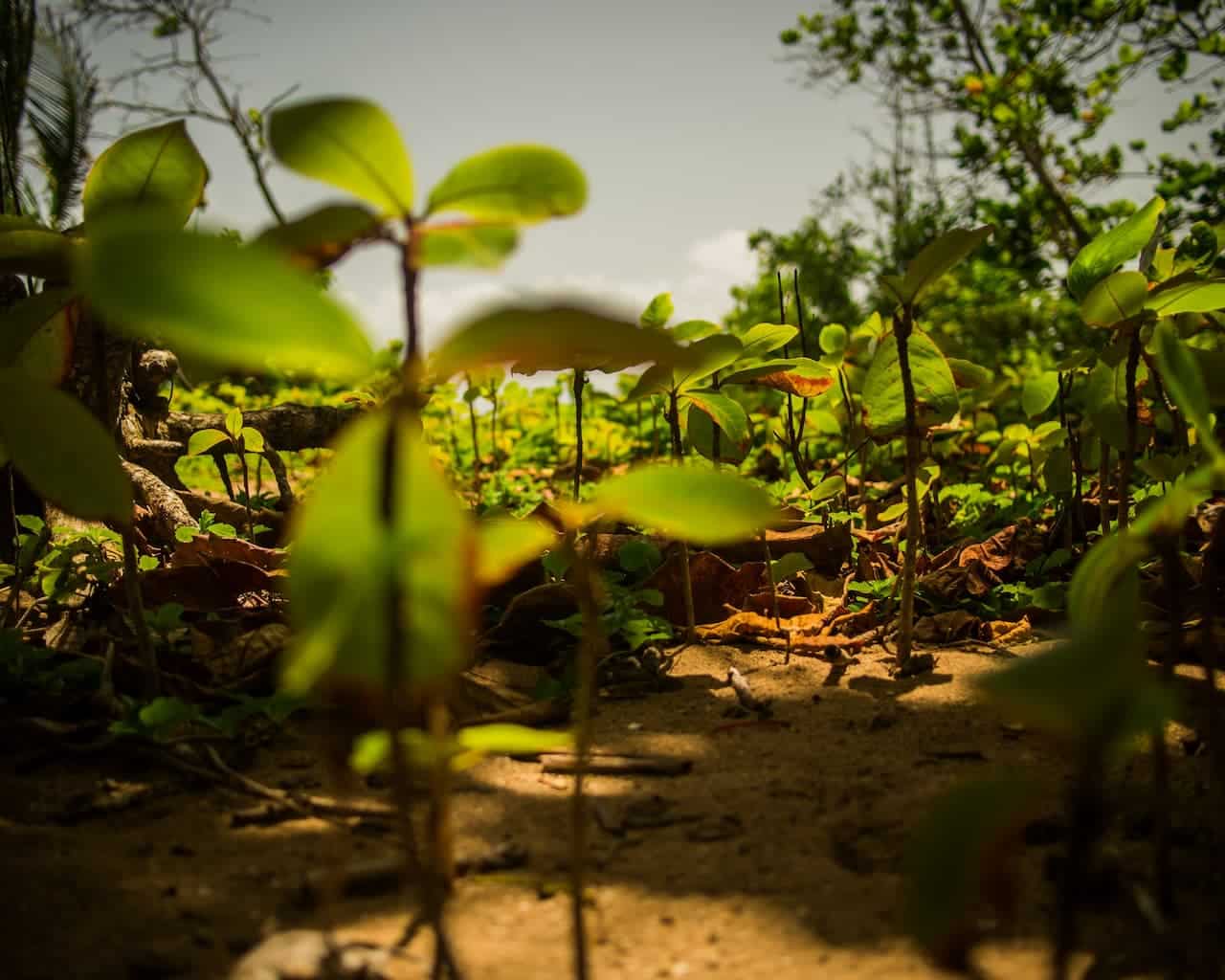
Wild ginger is drought-resistant
Shuttleworth’s wild ginger (Asarum shuttleworthii, Zones 6–9) is an excellent, no-care ground cover. It has beautifully spotted, evergreen leaves that create a close-knit cover. It’s low-growing and spreads slowly by creeping rhizomes. It forms a 4-inch-high mat of leaves that hides the insignificant “little brown jug” flowers during spring. The 2-inch-diameter leaves have a rich, greyish-green color with striking, silvery grey markings.
It requires acidic and well-drained soil. It has deep roots that make it drought-resistance but can’t handle consistently dry conditions.
Bunchberry doesn’t rely only on foliage for looks.
Bunchberry (Cornus canadensis, Zones 2–7) is a low-growing member of the dogwood family. It’s a unique emerald ground cover. When planted in acidic soil of good tilth, it spreads vigorously, with a 6-8 inch high ground cover of striking whorled leaves. During summer, large white flowers (actually bracts) appear, followed by bunches of bright red berries.
Bunchberry thrives in cool summer climates and not in the hot South. Also, it grows in friable and acidic woodland soil and won’t grow in clayey or slightly alkaline soils.
Dwarf Solomon’s seal is worth showing off.
Dwarf Solomon’s seal (Polygonatum humile, Zones 5–8) creates a plush cover suitable for shady spots. It produces a forest of deciduous, 6- to 8-inch-tall stems covered with soft green leaves. During spring, small, bell-shaped flowers emerge in clusters in the leaf axils, followed by small, bluish-black, ball-shaped fruit.
It initially grows loosely, showing the soil underneath. But after maturity, its rhizomes spread quickly and broader, offering quick coverage. It thrives when planted in fertile, acidic woodland soil and considerable shade. Also, it tolerates tree-root competition and needs consistent water during hot, dry summers.
Lilyturf grows anywhere
Lilyturf (Liriope muscari, Zones 6–10) is an excellent, evergreen, dense ground cover. Its grass-like, dark green leaves form an expanding 8- to 10-inch-high clump. The midsummer flowers are small, bluish violet, and tightly clustered on a stalk that rises above the foliage. Cultivars with variegated leaves, white flowers, or curly, twisted leaves are worth trying.
It cares little about how hot or dry it gets soil type and exposure to sun or shade. It’s only harmed by stagnant water in the ground. Initially, it can be a slow grower, but applying slow-release fertilizers will provide a faster start.
Mother of thousands doesn’t require attention.
The mother of thousands (Saxifraga stolonifera, Zones 6–9) is a beautiful ground cover that gets its name from its ability to produce offspring. It’s a tight ground-level cover that brightens the shade with 2-foot-high plumes of small, white flowers during late spring.
It requires little care. It’s suitable for acidic woodland and highly acidic clay soil. It tolerates long, hot summers in the South and is a great pass-along plant.
Goldenstar blooms bright
Goldenstar (Chrysogonum virginianum, Zones 5–8) is a stunning ground cover with dazzling yellow blossoms scattered over a rich, green carpet of leaves. It spreads into a tight, low-growing ground cover 4 to 6 inches high. Spring brings many bright, yellow, daisy-like flowers, which reappear in late summer.
It likes the morning sun for better blooms but can adapt to medium to full shade. It’s hardy in the North and grows well in the South, enduring hot and dry summers. It grows in a slightly acidic to neutral soil. It’s slow but a deliberate spreader and suitable for gardens with delicate perennials and wildflowers.
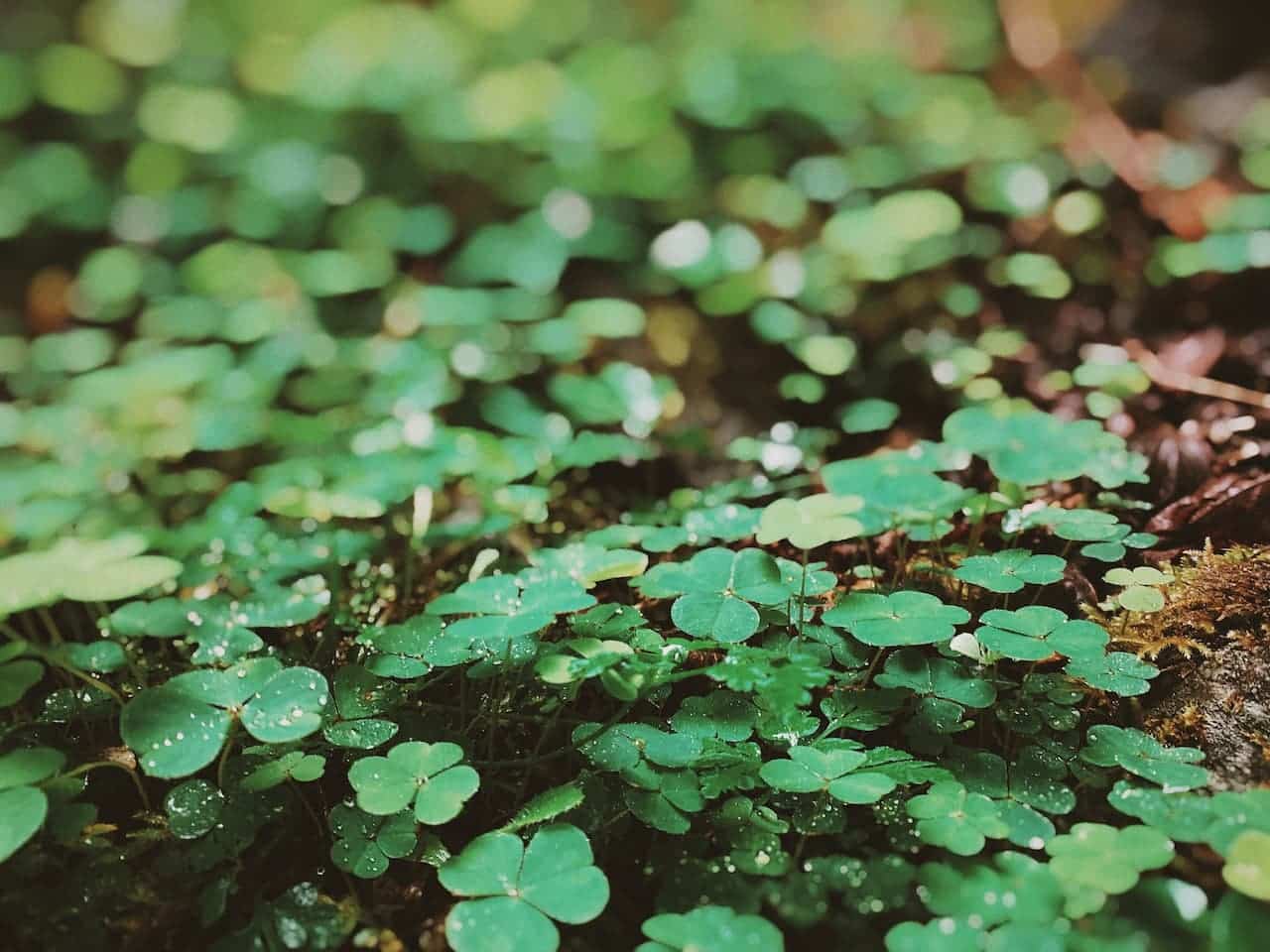
Wild cranesbill stands tall and spreads fast.
Wild cranesbill (Geranium maculatum, Zones 4–8) has flocks of leaves on tall stems. It makes a bushy cover crowned with long-lasting, attractive purplish flowers. It spreads by seeding itself widely and by rhizomes. The result is an 18- to 24-inch-tall ground cover of greyish-green, deeply lobed, deciduous leaves. In early spring, the up-facing flowers appear in loose clusters above the leaves.
Easily grown in acidic, always-moist woodland shade in the South and the North, it’s insect-resistant and fast-spreading
Vancouveria offers a graceful look.
Vancouveria (Vancouveria spp., Zones 5–9) has beautiful pale green leaves. This West Coast native is common in the East. It’s in the West but not in abundance. It’s about 16 inches high. During early summer, tiny white flowers top the foliage.
Consistent watering and planting in medium to deep shade are needed in the hot South. Also, it thrives in moist shade and deep and acidic woodland soil of good tilth.
Yellow archangel has colorful leaves and flowers.
Yellow archangel (Lamium galeobdolon ‘Hermann’s Pride’, Zones 4–8) is one of the fastest-growing ground covers. It forms a dense, 8- to 12-inch-high mat of silver-speckled leaves. During early spring, the plant covers itself in yellow flowers.
It needs medium to full shade in the hot South and tends to become leggy if it gets too dry. If that happens, cut it back once or twice a season to 4 to 8 inches tall. Farther north, it tolerates considerable sun and grows stronger. It may be too rambunctious for areas with delicate perennials and wildflowers. It requires a soil pH close to neutral.