
Best Mycorrhizal Inoculants
Mycorrhizal fungi form symbiotic networks with plant roots — the plant feeds the fungus, the fungus extends the plant’s effective root system tenfold. Inoculants introduce these fungi to soils where they’re absent (mos
If you have been following the progress of my husband’s strip canoe, I’m happy to report that this is our 2nd to last post! The seats are being constructed and after they are installed, the canoe will be complete! I can’t wait to show you the finished canoe!
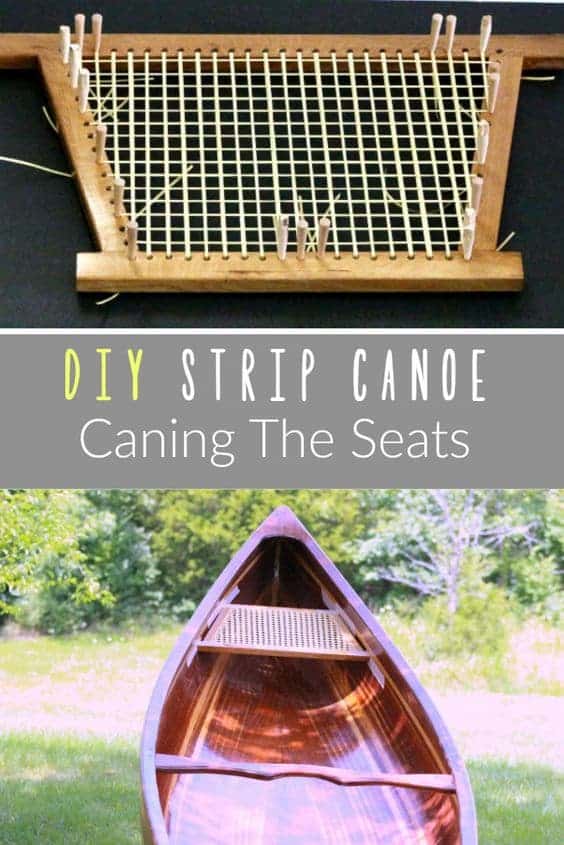
Following the recommendation in the Building A Strip Canoe book, Mr. Hobby is constructing the seats by using plastic cane to weave the seat. Plastic cane, as opposed to a natural cane, is used because it is more durable for outdoor applications.
After two frames were built, holes were drilled for the weaving. Wooden pegs help to hold the cane tightly in place during the weaving.
Cane is first weaved from top to bottom, and then side to side, and eventually vertically.
Mr. Hobby reports that weaving the cane is a tedious process, but the end result should be a strong seat that will withstand the elements, especially water.
I am trying my hand at this cane weaving and I’m working on the 2nd seat. I think I should have read the instructions in the book before I started . . . I’m almost embarrassed to say that I spent quite a bit of time pulling out rows because I made a mistake.
Mr. Hobby also made and installed the yoke. The yoke will help Mr. Hobby carry the canoe on his own.
The gunnels turned out great!
The seat pictured above still needs to be attached, it is just set in place right now. A 2nd seat will be added to the front of the canoe.
We are getting excited for the maiden voyage!
If you enjoyed this project, we’d love if you’d pin it to share! Thank you!

Mycorrhizal fungi form symbiotic networks with plant roots — the plant feeds the fungus, the fungus extends the plant’s effective root system tenfold. Inoculants introduce these fungi to soils where they’re absent (mos

Liquid seaweed extract is the magic-bullet supplement of organic vegetable growing. It contains over 70 trace minerals, plant growth hormones (cytokinin, auxin), and improves stress resistance — making plants more drou

Bone meal — ground animal bone — is the traditional slow-release phosphorus fertiliser for vegetables, fruit trees, and bulb plantings. Phosphorus drives root development and flowering, so bone meal at planting time

Worm castings — the digested output of composting worms — are the closest thing to perfect plant food in nature. They’re mild, slow-release, packed with beneficial microbes, and impossible to over-apply. A handful ar

Container plants live or die by the potting mix. Ordinary topsoil compacts in a pot and drowns roots; the right potting mix has structure (perlite, peat or coco), nutrition (compost, slow-release fertiliser), and biology

Making your own compost is best, but if you’re just starting a garden — or topping up after a big planting — bagged compost is the practical answer. The right bagged product is fully composted (not raw manure), scree