







Best Mycorrhizal Inoculants
Mycorrhizal fungi form symbiotic networks with plant roots — the plant feeds the fungus, the fungus extends the plant’s effective root system tenfold. Inoculants introduce these fungi to soils where they’re absent (mos

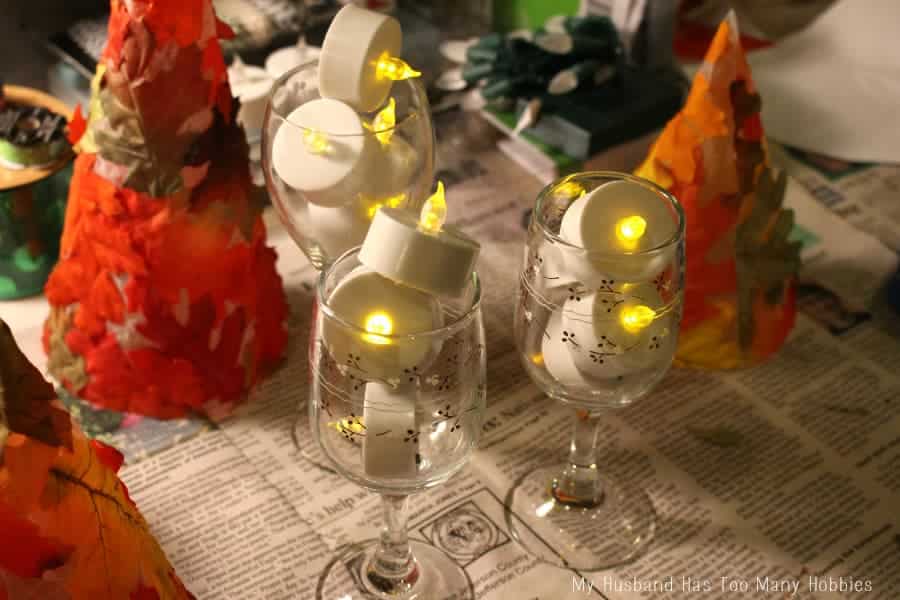
With Thanksgiving a little over a week away, I thought this would be a good time to share these beautiful Leaf Tree Luminaries. These would look great on a mantel, shelf, or as part of your Thanksgiving Centerpiece.
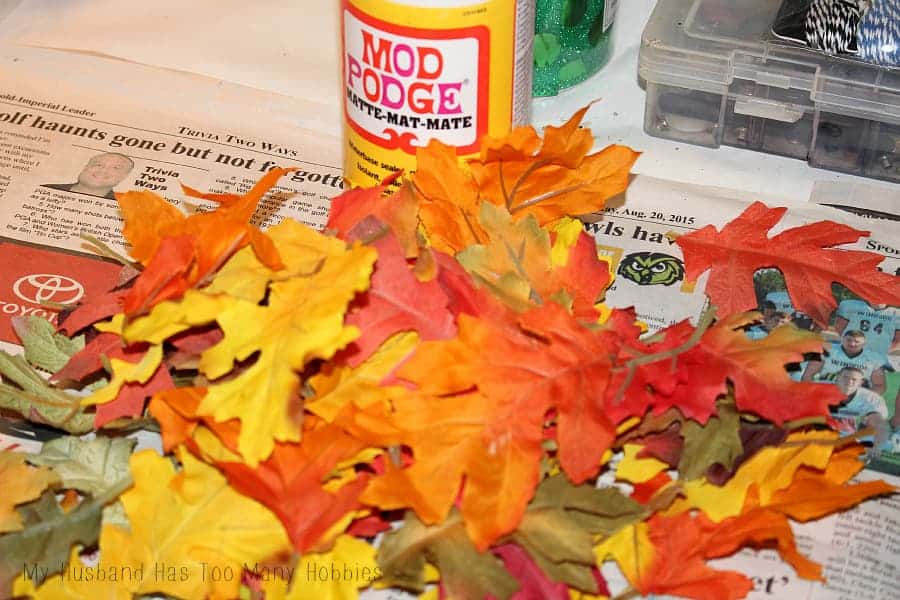
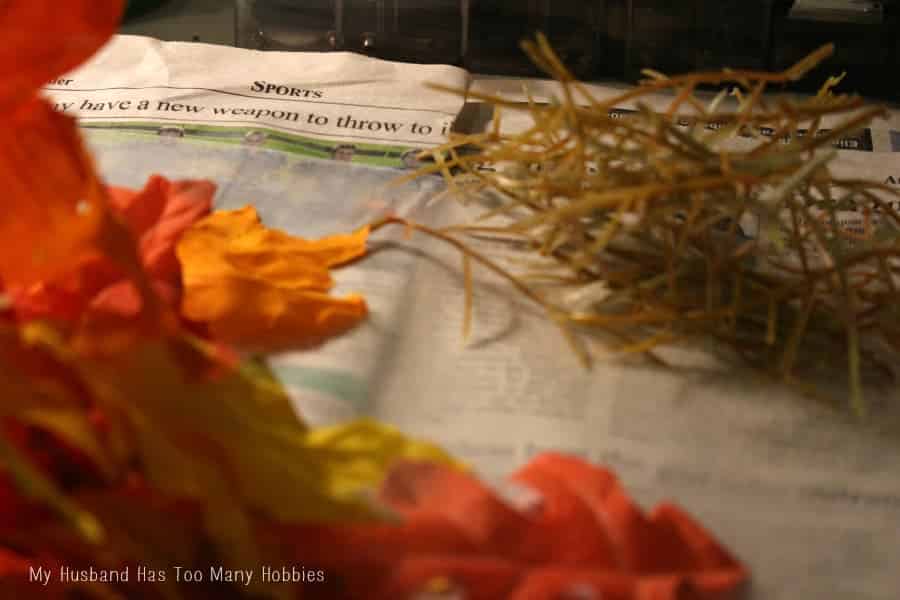
With a few supplies from the dollar store and some supplies you may already have at home, you can create these fun little Leaf Tree Luminaries.
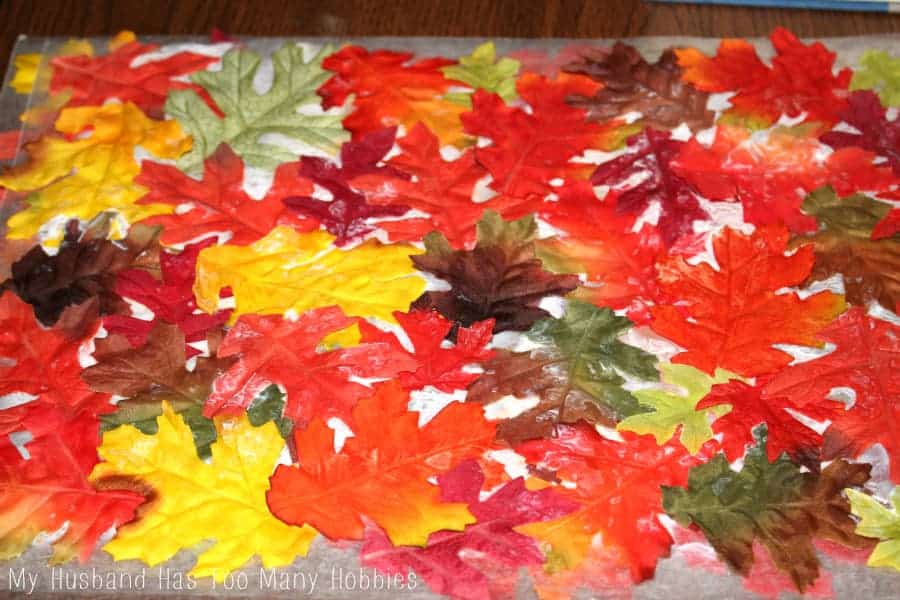
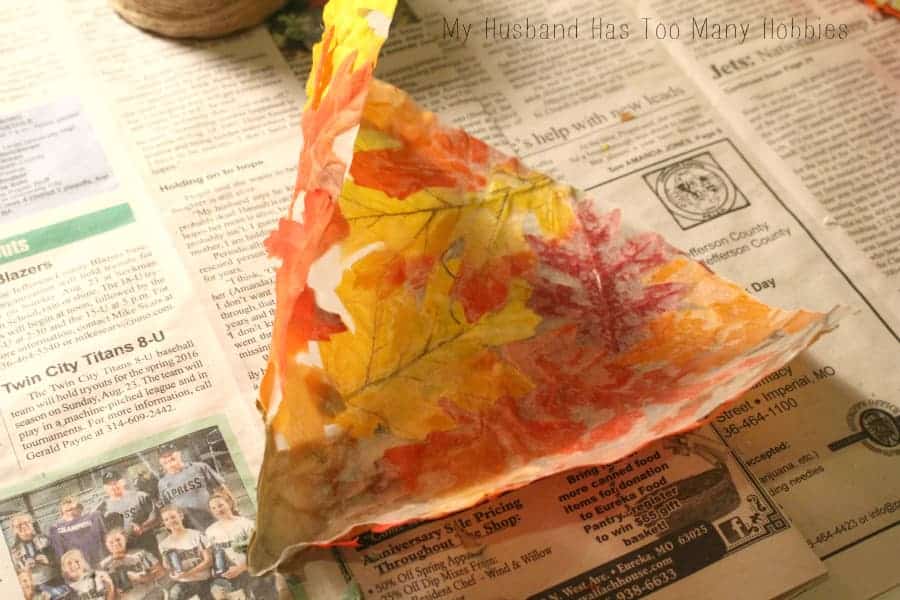
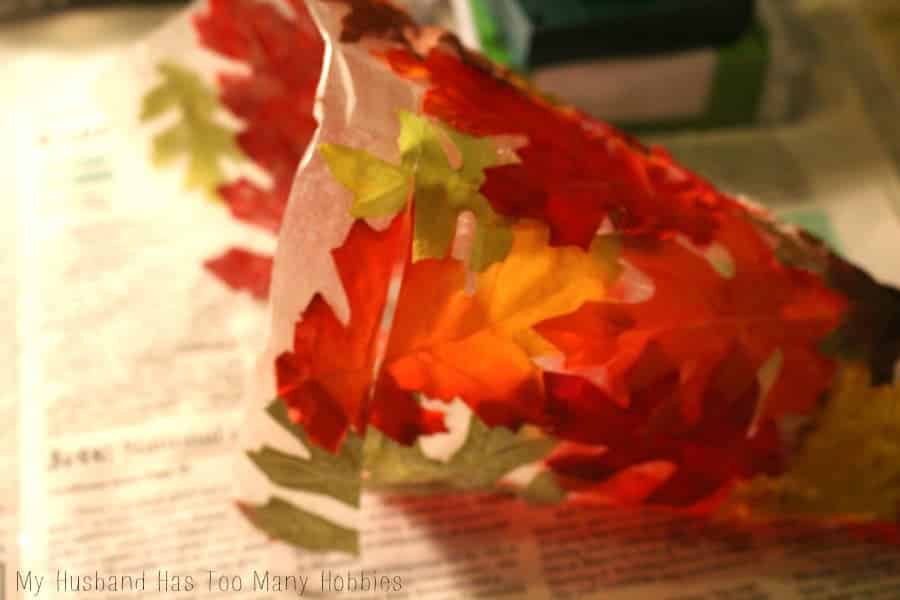
Continue to fill the sheet. Over lap the leaves but leave some space in between to let the light shine through.
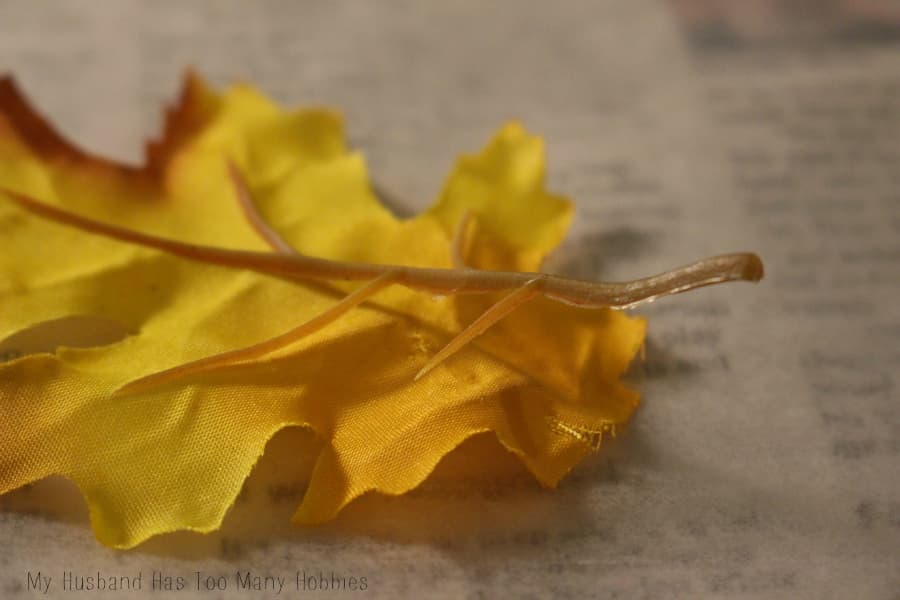
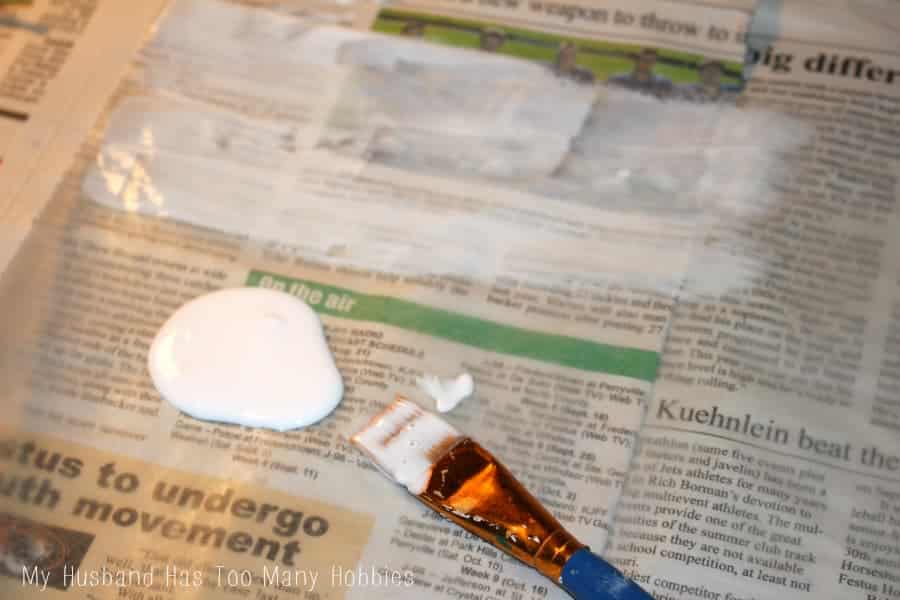
When the sheet is covered, use a small amount of glue on your paint brush and where the leaves overlap, apply a little glue to the underside of the leaf and attach to the leaf below.
It is okay if the leaves don’t lay flat – we’ll fix that.
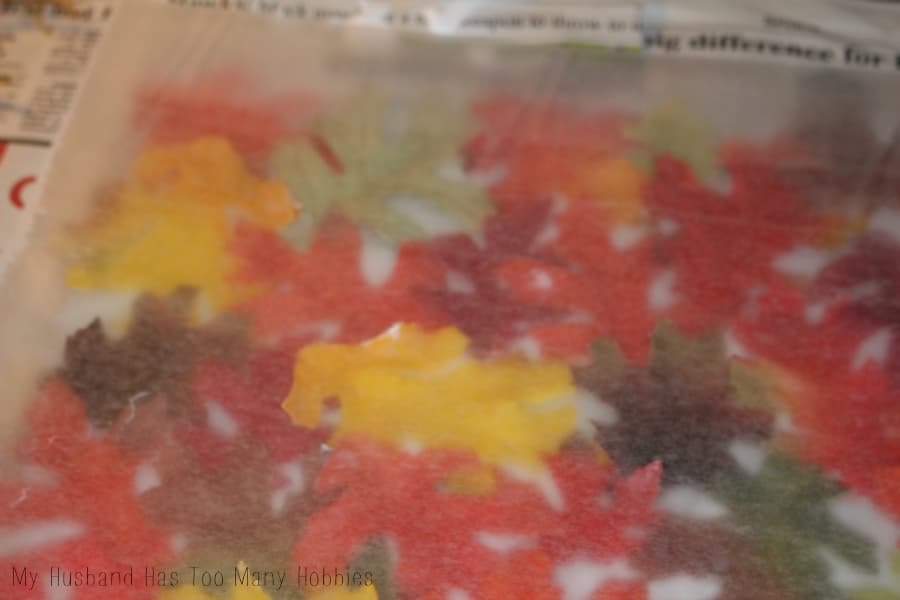
Tear off another sheet of wax paper to lay on top and cover with books to weigh it down.

Mycorrhizal fungi form symbiotic networks with plant roots — the plant feeds the fungus, the fungus extends the plant’s effective root system tenfold. Inoculants introduce these fungi to soils where they’re absent (mos


Liquid seaweed extract is the magic-bullet supplement of organic vegetable growing. It contains over 70 trace minerals, plant growth hormones (cytokinin, auxin), and improves stress resistance — making plants more drou

Bone meal — ground animal bone — is the traditional slow-release phosphorus fertiliser for vegetables, fruit trees, and bulb plantings. Phosphorus drives root development and flowering, so bone meal at planting time

Worm castings — the digested output of composting worms — are the closest thing to perfect plant food in nature. They’re mild, slow-release, packed with beneficial microbes, and impossible to over-apply. A handful ar

Container plants live or die by the potting mix. Ordinary topsoil compacts in a pot and drowns roots; the right potting mix has structure (perlite, peat or coco), nutrition (compost, slow-release fertiliser), and biology

Making your own compost is best, but if you’re just starting a garden — or topping up after a big planting — bagged compost is the practical answer. The right bagged product is fully composted (not raw manure), scree